
Our Family & The Land
About Us.
It had always been a dream to have our own land to manage, livestock to rear.. and food to produce.
When Lockdown hit in 2020 that dream was becoming a reality, thanks to our friends who own the main crofts our breeding flock are on - and had the flock of Hebridean sheep - we learned from them until we bought the flock after Corona Virus hit.
Since then it’s been learning continually, growing the flock gradually - adding products, seeing and adapting to challenge.
We increased our sheep numbers as more Croft owners and landlords saw what we were doing, and wanted us to use their land.
Bracken on the steep hills of some of our crofts was/is a big issue… so trialling strip grazing pigs and selling the meat became another dream that came to reality.
We built a Felting workshop - and a butchery unit at our home.
We took over management of a mature fruit orchard and raised the funds to purchase this, and the properties within the orchard.
Our Philosophy.
Our passion is driven by finding the best thing for the land we are luck enough to manage, this creates the grazing requirement and informs the breed and type of livestock we have to carry this work out.
Due to the rotational species focussed grazing that we do, we need enough animals to effectively graze. And rest - and graze and rest.
The animals we keep on the land, must have an output - and with supermarkets and imported food/processed food dominating the UK diet, producing high health slowly grown not forced Food for our local area is a truly rewarding - albeit expensive and exhausting - part of our croft business.
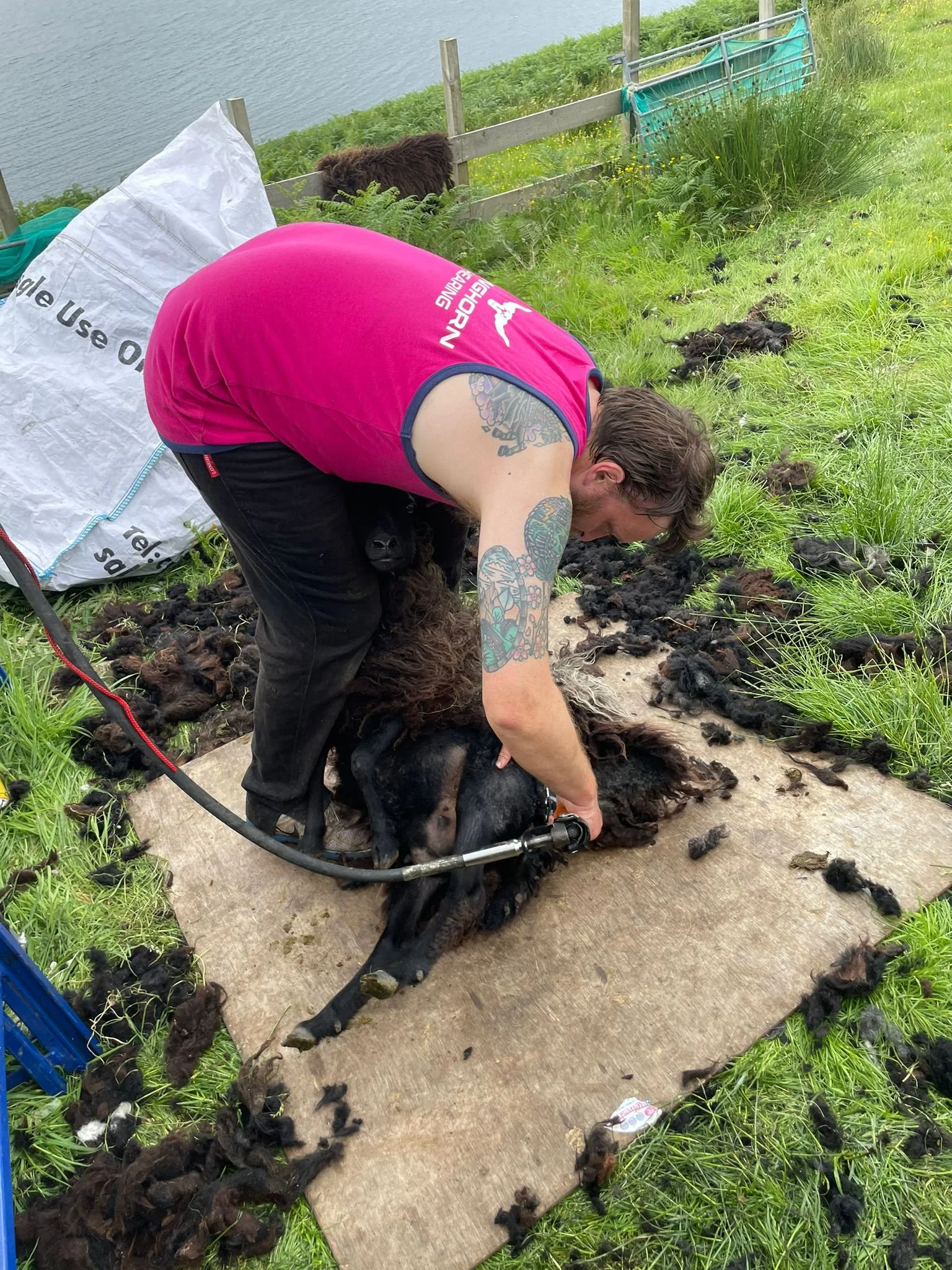
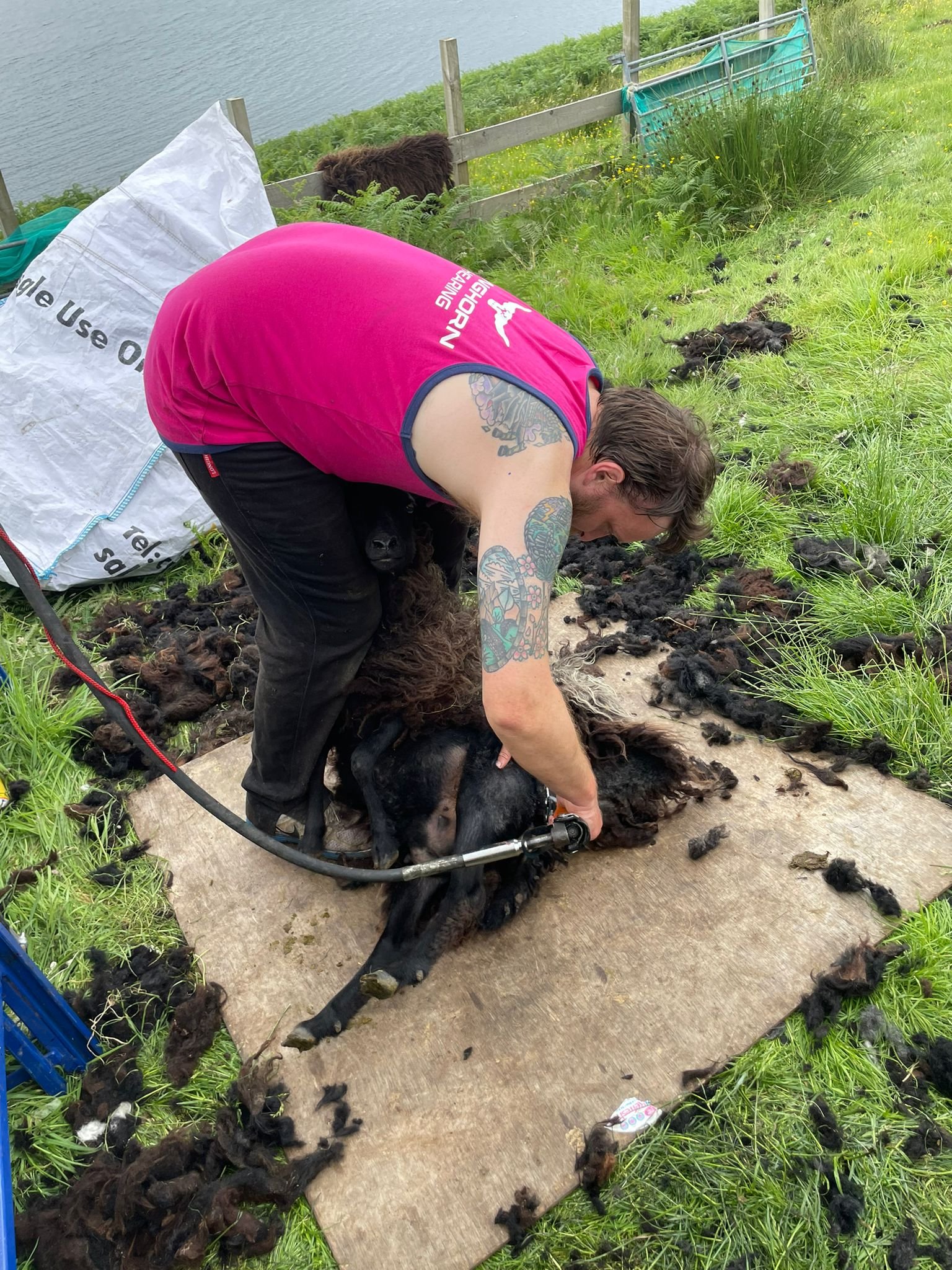
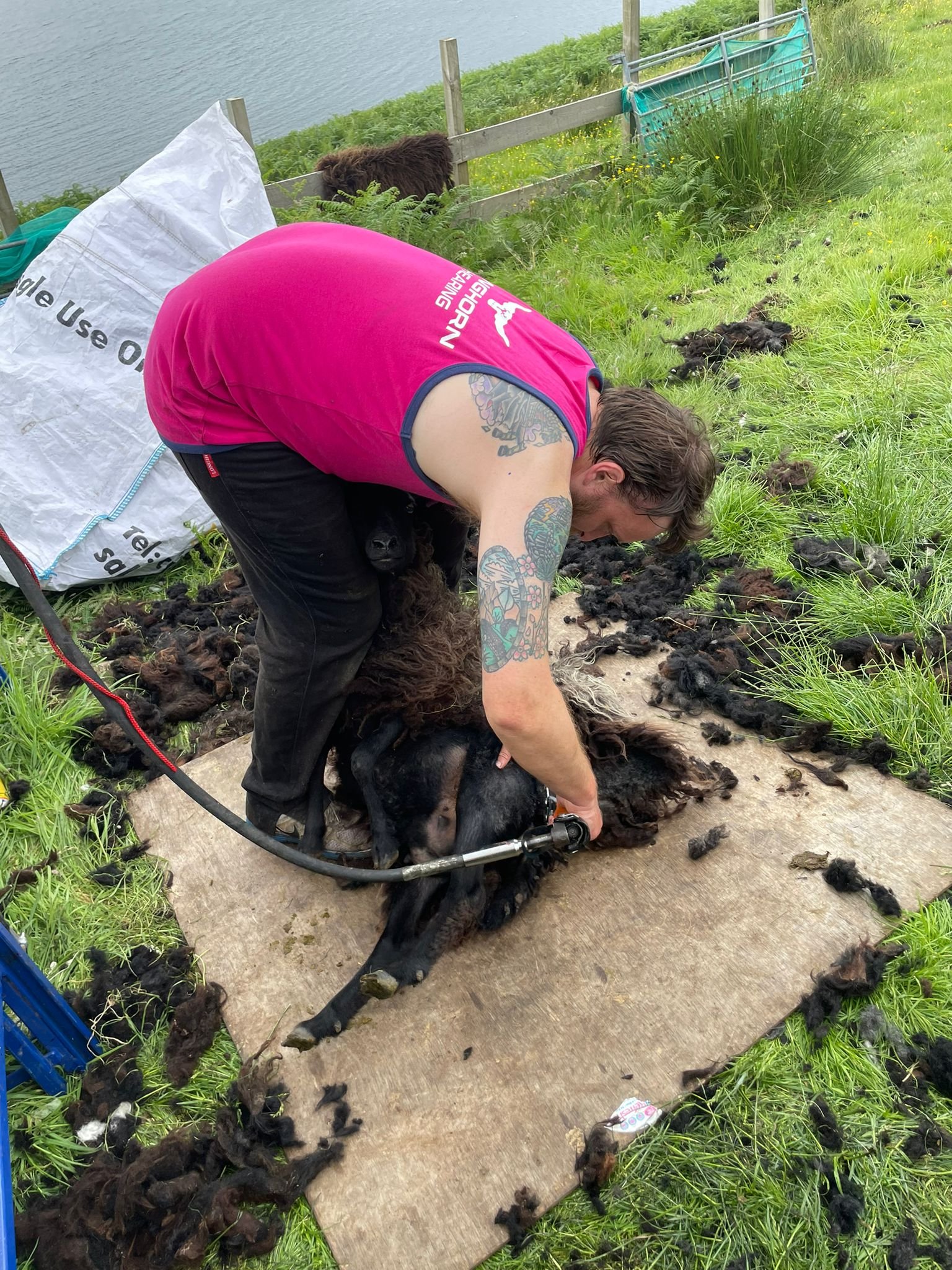
Ensuring all parts of our animals are used and honoured is another big cog in our drivechain, encouraging customers to buy all cuts of the animal, turning the wonderful fleeces/wool from our sheep into felted items for sale, and workshops to teach others. Turns this usual waste product into items of function and beauty.
We also partner with Skye Skins selling them the fleeces of our fattening animals - working hard to ensure as little waste as possible is produced from our enterprise.
Having the fruit orchard, and keeping bees also ties in to our aims… helping pollinators, insects and birds survive and thrive across our local area can only benefit all species.
Our Animals.
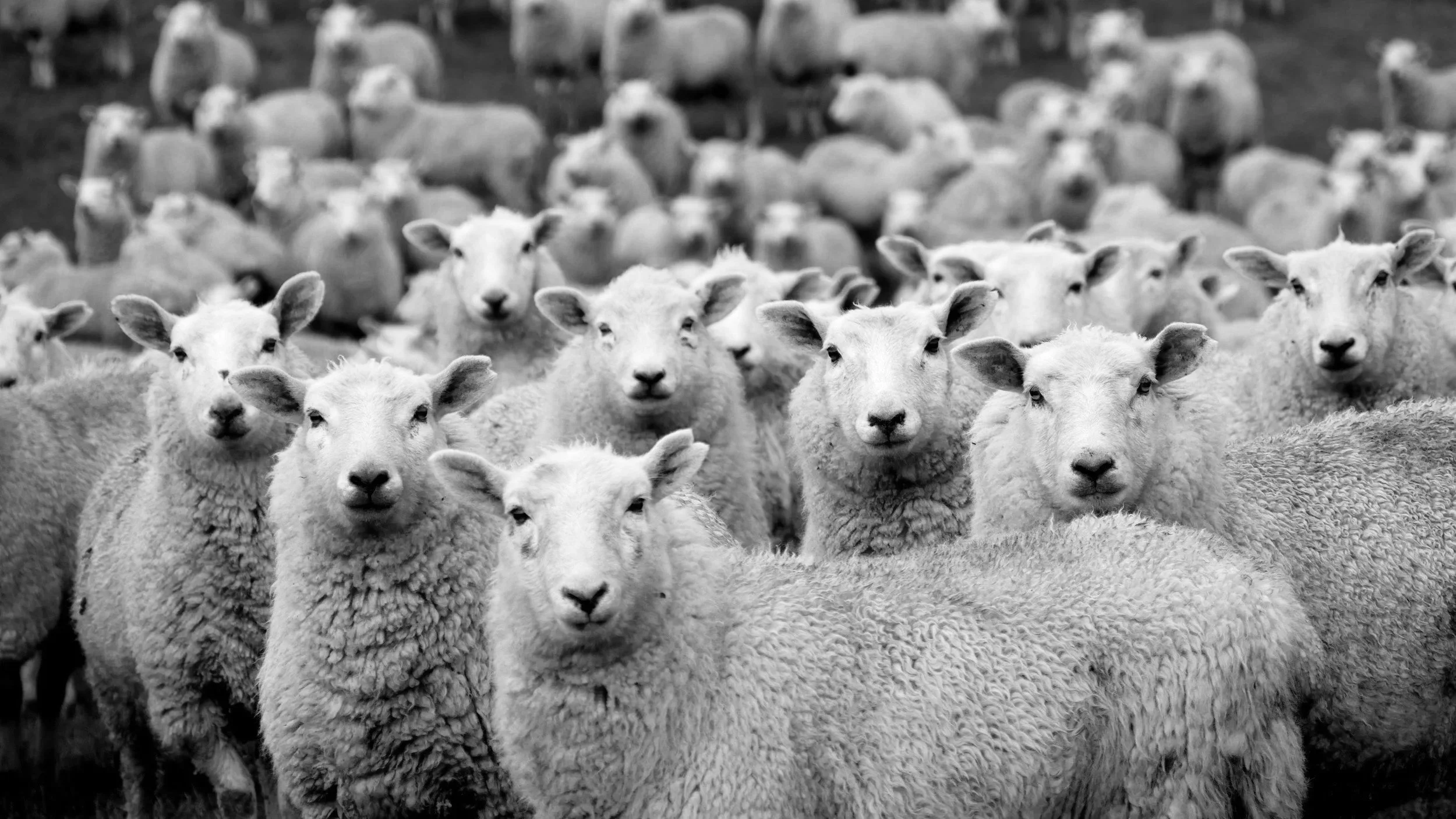
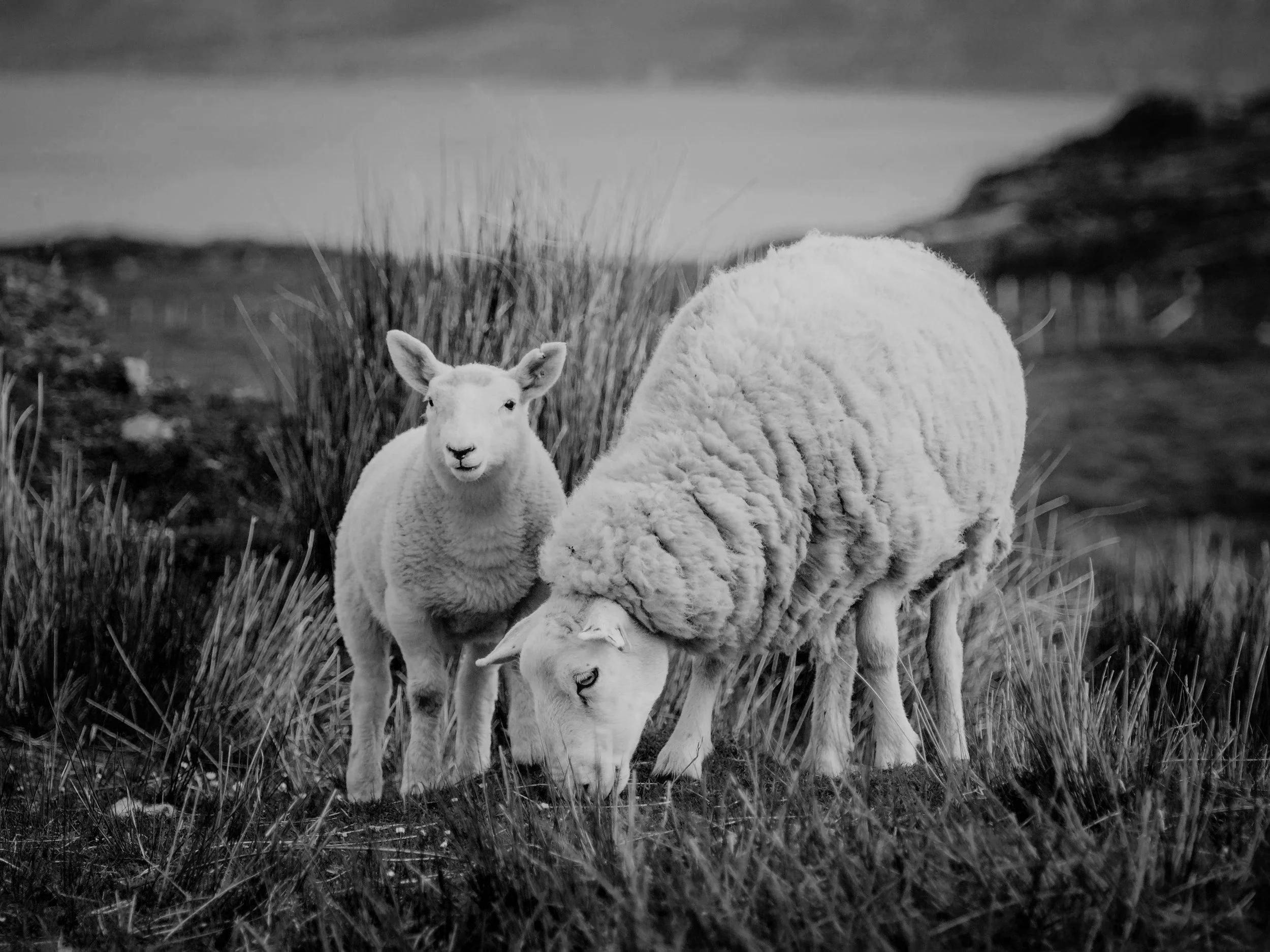
We have a flock of Native Breed Hebridean Sheep, we love these animals - ideally suited too the ground here, and hugely productive with it - grazing so many different species to help us drive biodiversity through rotational grazing practices.
As mothers hebrideans are naturally maternal producing rich milk to help their offspring thrive, we lamb outdoors and with as little intervention as possible - aiming to produce self sufficient hardy breeding stock.
The wool isn’t desired by the main industry - but produces incredible colours and shades, and works fantastically when felted into many different items.
The meat has a depth of flavour, an intense meatiness… whilst being lean, and being able to take strong flavours and retaining its characteristics.
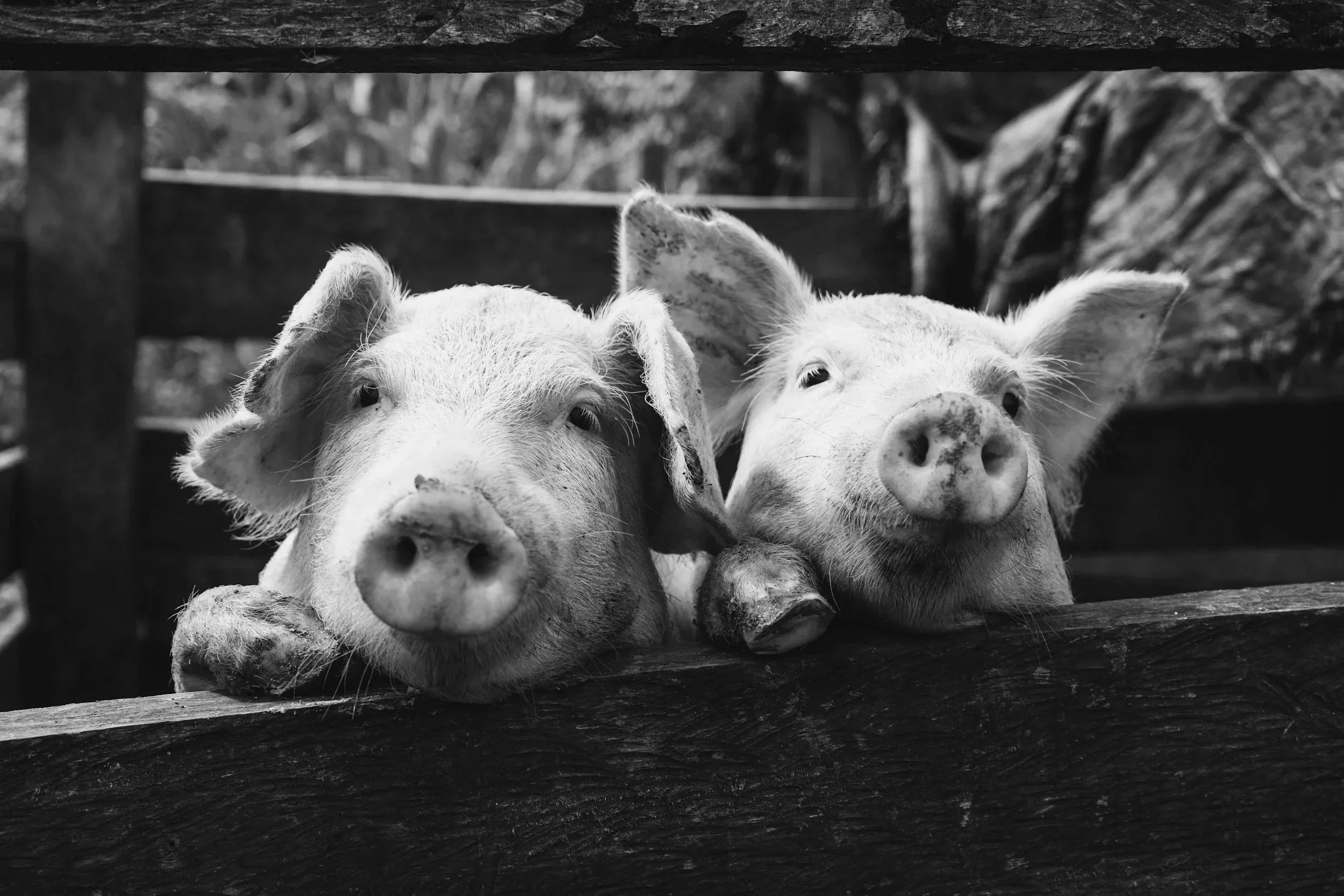
We keep Rare Breed Mangalitsa pigs - the woolly pig - these are again chosen primarily for their land use function, accessing and turning over our steepest hills and helping us attack the bracken which thrives in the Highlands and Islands without the use of any chemicals - in areas we cannot safely use quad bike.
Our aim is by purchasing off a pedigree dealer in Scotland, we help fund his business producing and sustain this incredible breed.
And the meat - is exceptional, marbled almost like waygu, possibly why its known as “the Waygu of pork”
Our Land.
We are incredibly lucky to manage several small areas of croft land in Kildonan, Flashadder and Edinbane. This land is species rich, partly because of its location - many because of the way it has and is being grazed. Using Native breed sheep means a lot more of the species growing on the land is grazed enabling more resilience in the sward and of course more natural “planting” of seeds with the inbuilt manure systems in our animals!
We have been involved in multiple pilots/tests and projects with both SRUC, Nature Scot and engaging with RSPB locally to test if the way we graze the land through intensive and rest periods of rotational grazing is the best to produce and encourage a wider biodiversity and the results were rather astonishingly affirmative.
Our main lambing park had over 50 different species of flora fauna insects and birds as a sample, and the areas of certain fields that we have fenced off show a marked difference in that species rich land. With Nature Scot encouraging us to make sure we graze as much as we can of our land - in the way we are grazing it.
As with most Highlands and Islands agricultural areas one of our biggest challenges is bracken, extremely difficult to control and creates an absolute blanket monoculture if not dealt with. Nothing grows underneath, and the only thing benefiting from the bracken are generally ticks. On the flat parts of our land we can use a Bracken Basher - which bruises the bracken, preventing nutrients going back into its huge root system and weakening the plant.
On the steep elements we cannot take machines over the ground, hence the need for the work from the Mangalitsa Pigs.
Most of the ground we graze is near or facing the sea, we have a relatively low worm and fluke burden on the ground - but regularly check the flock and liaise with our vets to find out the right course of action. Tick’s never used to be an issue, but recently we have been seeing more of them - so we spot treat where we need to.
Some areas are bad with rushes - depending on the age of these.. our sheep will eat them when young, but not in great quantities. Whilst interrupting some species - so some element of control is needed - they also act as fantastic shelter in winter.. so we mow only certain areas to leave some parts with these in place.
The ground is a mix of heather and grassland. And shortly we will have our common grazing fenced - to enable it to be used… it will take several years to get back into a healthy state.. as some parts haven’t been managed for probably 20 years now. This will unlock a lot of potential for us.. bringing more diversity to the grazing land, and hopefully eventually a reduced winter feed bill for us in time.